.png)


Should a checkride be solely a performance and procedures exercise?
What is the objective of training — to stage a demanding test for its own sake, or to deliver a competent, safer aviator on the other side of it? Historically that question drove U.S. legacy airlines on a different path, steering them away from purely performance-based training toward scenario-based events, a train-to-proficiency methodology, and a threat-and-error bias in every task performed. In Part 61 training today for the Cirrus Vision Jet, we are required to test to the FAA's ATP ACS — but nothing prohibits VA from building beyond it. Vectored Approach weaves that same instructional system design through every task element of our Vision Jet curriculum, both initial and recurrent training.


Flight path awareness is the seasoned aviator's first priority.
Energy management is the second. Both are shaped by a threat-and-error lens applied to every facet of the aviation experience — and VA builds that bias throughout our training footprint.
AQP Discipline
The Advanced Qualification Program is how airlines train: begin with a task analysis, define what proficiency looks like, measure it on every event. We apply that methodology to our Vision Jet training curriculum. Every task element is trained to proficiency — graded on every lesson to FAA ACS standards, and to VA proficiency objectives.
Safety Resource Management
Safety resource management is the disciplined use of every resource available to an aviator — automation, information, ATC, cockpit flows, checklists, and the pilot's own attention — to keep every operation inside its safety margins. In the Vision Jet, certified for a single pilot, that discipline becomes single-pilot resource management: an automation policy, workload triggers, and aeronautical decision making (ADM), built into every element we teach.
Trained Inside an SMS
Vectored Approach is an aviation training program development tour de force in both the Part 135 and Part 61 space. VA partners with Executive Aircraft Services, a premier charter operator, to provide training curriculum and an SMS umbrella for their professional crews. EAS's flight operations and in-house maintenance system live under a robust SMS — and EAS Vision Jet fleet operation efficiency and safety initiatives flow back to our Part 61 training and into your flight deck.
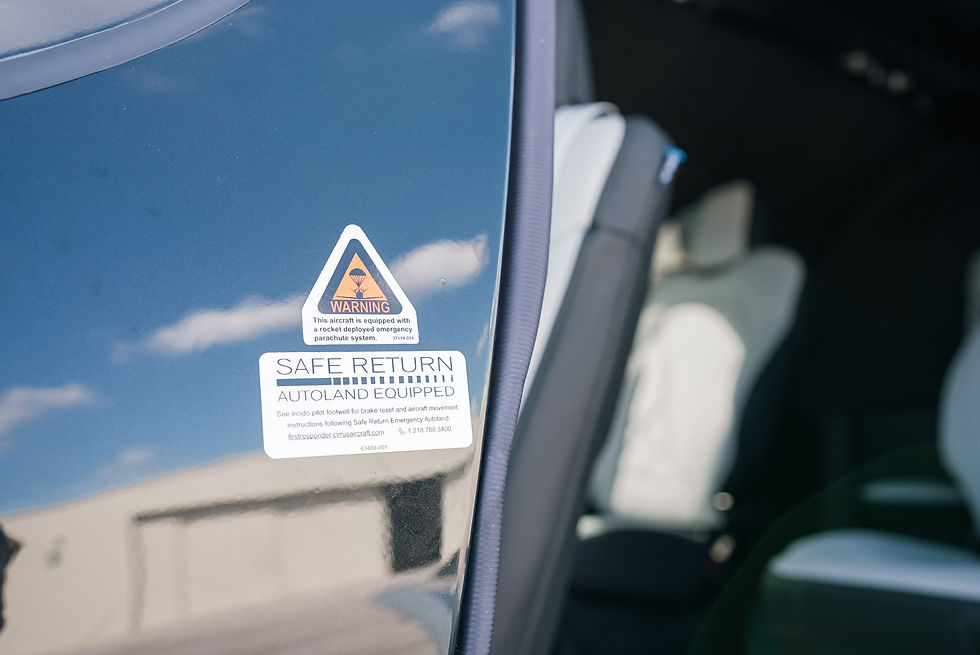
Initial — The Type Rating, Built Properly
A Type Rating Preparedness Course of stackable modules fitted to your experience level, proficiency, and needs. You will arrive at our Type Rating course ready, not rushed or anxious — supported by an SF50-specific flight training device engineered to match the aircraft.
Recurrent — Continuous Qualification
Vectored Approach recurrent training is not an annual snapshot of the same maneuvers. Each cycle is built from a refreshed threat inventory and targeted to your flying — high-altitude operations, weather avoidance, CAPS decision-making, single-pilot IFR — so proficiency is maintained continuously, the way an airline maintains a line pilot.

1 · Task Analysis
What does this task demand in the airplane, and what threats can be identified? AQP method, applied element by element.
2 · Threat & Error Inventory
SMS data — fleet history, line experience, industry Vision Jet events — defines the errors each element should help to mitigate.
3 · Single Pilot Resource Management
Situational awareness, flight path awareness, energy management, automation management, task loading, and aeronautical decision making are considered within each element.
4 · Proficiency Standard
Stackable knowledge, procedure, technique, and scenario modules — graded to the ATP ACS and VA standards.

Why owners choose Vectored Approach
-
Operator DNA — a Part 135 charter operation and in-house maintenance department on the flight line your instructors walk every day.
-
One relationship from first lesson to every recurrent cycle — and to aircraft management and maintenance beyond it.
-
Instructors who fly the airplane for a living, teaching from line experience rather than a script.
-
Documented, data-based proficiency records.
Stephen Pitts — Founder & President
Stephen Pitts founded Vectored Approach at the end of a thirty-four-year airline career that began at American Eagle on the ATR-42, continued at Trans World Airlines as a Boeing 727 flight engineer, and settled at UPS for thirty-one years — flying the DC-8, MD-11, B727, B747, B757, and B767 — as a captain, training center instructor, program developer, and check airman.
At UPS, Stephen served as an instructor pilot on the MD-11, a check airman on the B757/767, and served on the UPS training program development team — including a pivotal role in transitioning UPS from a fleet-specific Advanced Qualification legacy program to a single-system AQP.
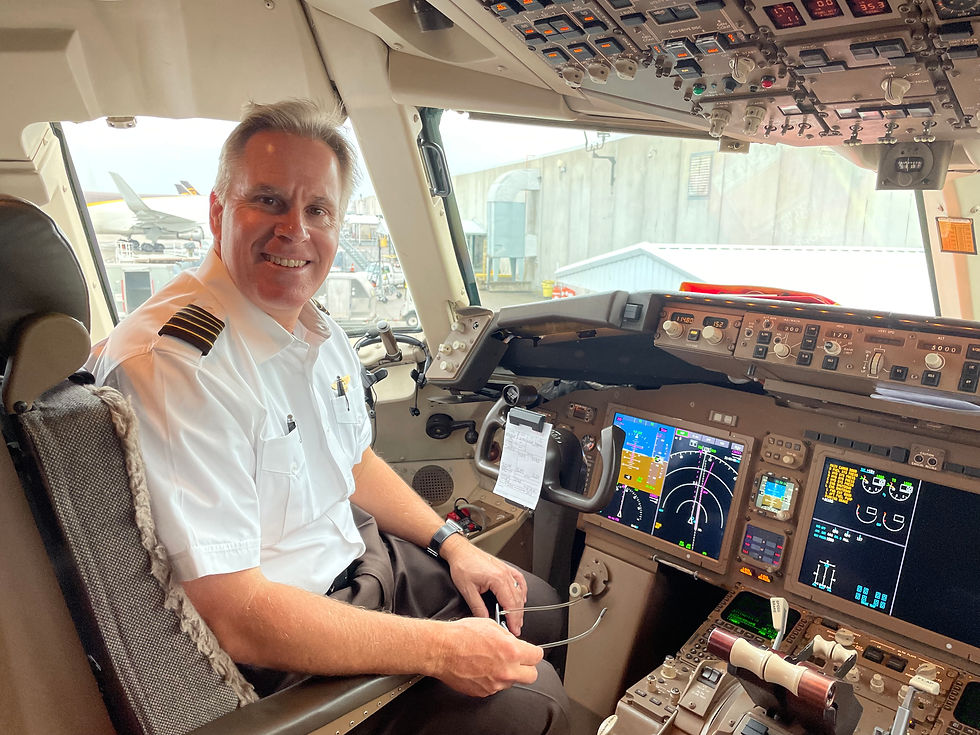

Vectored Approach exists to raise general aviation to a higher standard.
That is the founding premise of Vectored Approach: general aviation deserves the same training engineering innovation that protects our nation's airlines. Every task element in the VA Vision Jet curriculum descends from safety initiatives that Stephen helped build at UPS: task analysis first, data collection second, SRM woven through, and proficiency measured on every event. With Vectored Approach, you can experience the AQP discipline and groundbreaking safety results that have made our U.S. airline industry among the safest in the world.
